How IPL Therapy Treats the Root Cause of Evaporative Dry Eye

Evaporative dry eye happens when the tear film does not have enough healthy oil to keep tears from drying too quickly. This is commonly linked to meibomian gland dysfunction, also called MGD, where the tiny oil glands along the eyelids become blocked, inflamed, or unable to produce enough quality oil.
For many patients, this creates ongoing dryness, burning, stinging, redness, watery eyes, and fluctuating vision. Artificial tears may offer temporary relief, but they do not always address the source of the problem. That is why IPL therapy has become an important treatment option for patients with evaporative dry eye caused by MGD.
How IPL Therapy Works
IPL stands for intense pulsed light. During treatment, controlled pulses of light are applied to the skin around the lower eyelids and cheeks. This light energy helps target inflammation that can affect the meibomian glands and surrounding tissue.
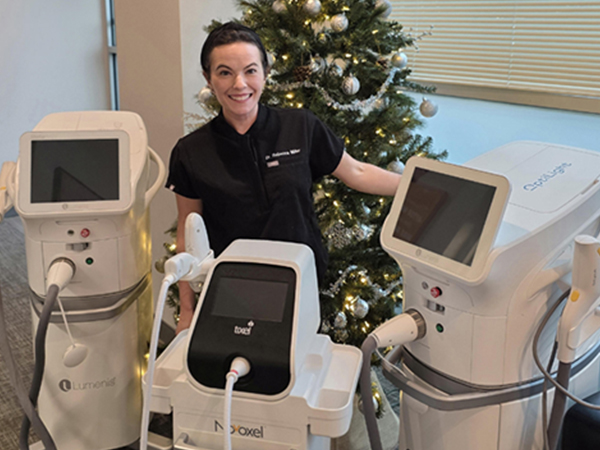
At Dry Eye & Aesthetics DFW, IPL treatment is used to help manage dry eye disease caused by meibomian gland dysfunction. By supporting healthier gland function, IPL can help improve the oil layer of the tear film, which plays a key role in keeping the eyes comfortable and vision more stable.
Treating The Root Cause, Not Just The Symptoms
One of the biggest benefits of IPL therapy is that it focuses on the underlying cause of evaporative dry eye rather than only masking discomfort. When the meibomian glands are not working properly, the eyes may continue to feel dry even with frequent use of lubricating drops.
IPL can help reduce inflammation and encourage better oil flow from the glands. After IPL treatment, meibomian gland expression may also be performed to help clear blockages and deep clean the glands. This combination supports better oil production and gives the tear film a stronger foundation.
Signs IPL May Help With Dry Eye
Patients with evaporative dry eye may benefit from IPL therapy if they experience symptoms related to MGD. These may include:
- Burning, stinging, or irritated eyes
- Redness around the eyes or eyelids
- Blurry or fluctuating vision
- Watery eyes caused by poor tear film stability
- A gritty or foreign body sensation
- Dryness that does not improve enough with artificial tears
A proper dry eye evaluation is important because not every case of dry eye has the same cause. Identifying whether MGD is contributing to symptoms helps determine whether IPL is a good treatment option.
What Patients Can Expect
IPL treatments are typically quick, non-invasive, and comfortable, with no significant downtime. A series of sessions may be recommended because the benefits often build over time. As inflammation improves and gland function becomes healthier, many patients notice better comfort, less irritation, and improved tear quality.
Because dry eye is often chronic, IPL may be part of a broader treatment plan. Depending on the patient’s needs, additional therapies may be recommended to support long-term relief and protect the ocular surface.
Why Early Treatment Matters
When meibomian gland dysfunction goes untreated, the glands can become more difficult to restore over time. Addressing evaporative dry eye early may help preserve gland function and reduce the cycle of inflammation, dryness, and irritation.
For patients struggling with ongoing dry eye symptoms, IPL therapy offers a more targeted way to treat the root cause of evaporative dry eye and improve daily comfort.
Find lasting relief from evaporative dry eye - schedule your dry eye consultation with Dry Eye & Aesthetics DFW. Visit our office in Fort Worth or Mckinney, TX. Call (682) 353-9553 to schedule your appointment today,
Quick Links
All Eye Care Services
We fully focus on your Dry Eye and Ocular Surface Disease. We can also coordinate primary eye care needs with your local eye doctor.

Keep In Touch
For non-urgent questions or to learn more about our services, contact us today!
© 2026 Dry Eye & Aesthetics DFW. All rights Reserved - Accessibility Statement - Privacy Policy - Sitemap
Managed and Designed by 